
KIOSK MODE ON C HROME BROWSER. If you have not installed Google Chrome Web Browser yet, go ahead, download and install it first. Next, launch the command prompt (or terminal), and run chrome -kiosk 'it. Congratulations, you now have a fully functioning Chrome kiosk. Planning on setting up a public access (often called a computer kiosk) Mac? You can change the Automatic Login account from the Users & Groups pane in System Preferences to configure your Mac for unattended public use. Click the Login Options button under the User list, and then click the Automatic Login pop-up menu to. Kiosk mode is basically the same as fullscreen mode, except the 'exit fullscreen' button doesn't work. The user can still quit the app because all of the menu options are still there. I've found a way to hide the menu AND the dock by modifying Chrome's permissions.
Turn off kiosk mode Turn off your Chromebook, then turn it back on. While the device is starting up, press Ctrl + Alt + s. Kiosk mode will turn off, and the regular sign-in screen will show.
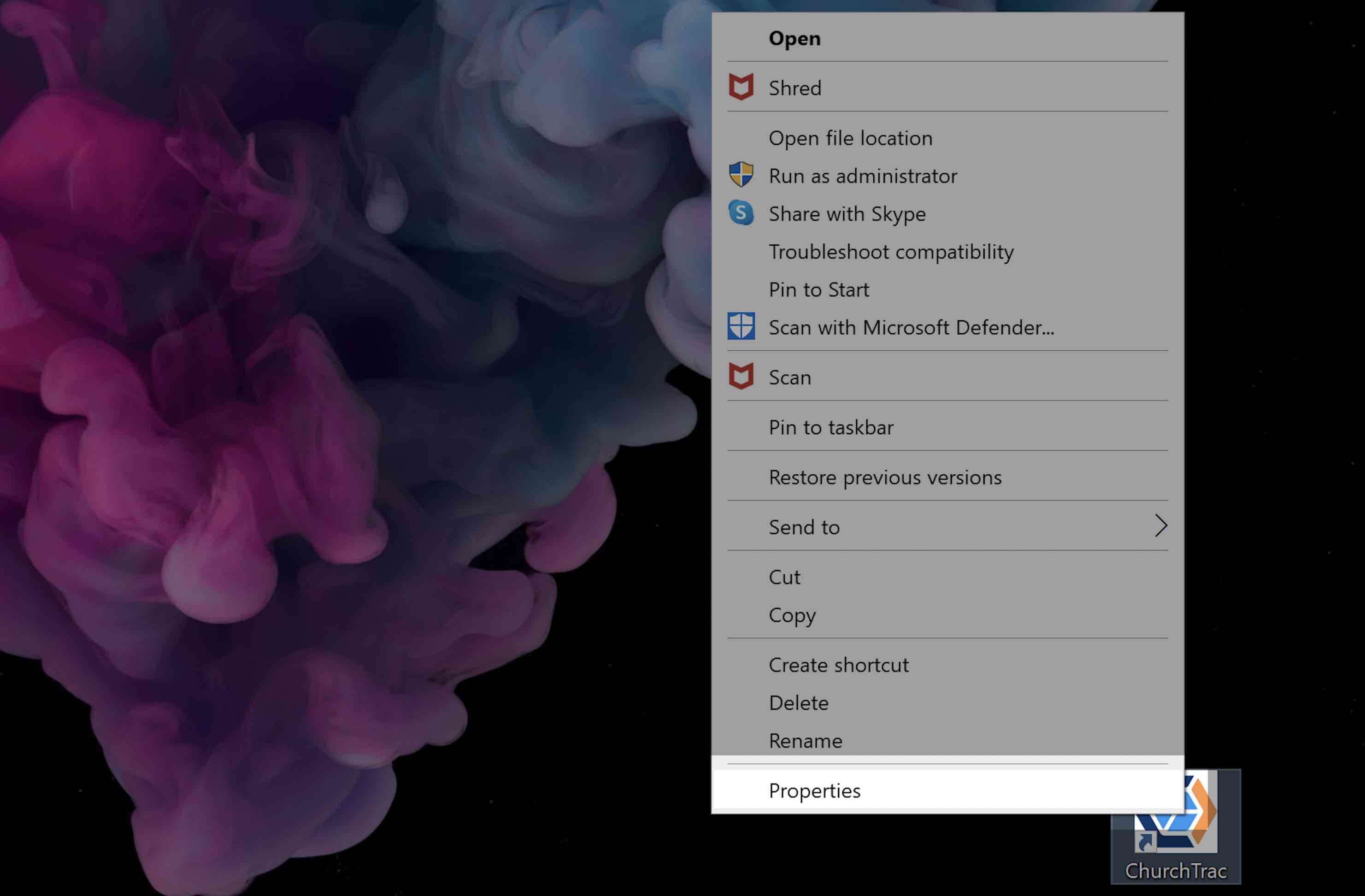
Here are steps for running Google Chrome in full screen Kiosk Mode on a Windows PC:
1. Right click on your Desktop and go to New > Shortcut
2. Browse to the chrome.exe file (depending on your set up, it might be found here: usernameAppDataLocalGoogleChromeApplicationchrome.exe) and click Next
3. Type a name for the shortcut (ie “Chrome Kiosk Mode”) and click Finish
4. Right click on the new shortcut on your Desktop and go to Properties

5. At the end of your Target replace chrome.exe with “chrome.exe –kiosk http:// [enter URL here]” and click OK
6. Double-click the shortcut on your Desktop and it will launch the full screen Kiosk

7. To quit the Kiosk, press Alt + F4 on your keyboard.
Important: Chrome will be removing support for Chrome Apps on all platforms. Chrome browser and the Chrome Web Store will continue to support extensions. Read the announcement and learn more about migrating your app.
Kiosk Apps are Chrome Apps that are designed to always run fullscreen using Single App Kiosk Mode on Chrome OS and do not allow the user to exit the app. They're great for a purpose-built Chrome device, such as a guest registration desk, a library catalog station, or a point-of-sale system in a store.
A Kiosk App can be launched manually or set to automatically launch when the device boots up. You can use a Chrome device as a kiosk by turning on Single App Kiosk mode manually for each device, or across multiple devices using the Chrome management console.
How they look #
Once the Kiosk App starts, the user experience is dedicated to the tasks defined by the app. The app does not look like the traditional Chrome browser: there is no window frame, no Omnibox (address bar), no tab strip, and no other browser interface elements. So as a developer, every pixel of the screen is yours to use as you wish.
How they behave #

When a Kiosk App is configured to run on Chrome OS using Single App Kiosk Mode, the user has no control over the app's lifecycle. The user cannot exit the app or switch to another task. However, as an app developer, you can offer a 'logout' or 'exit' button within the app to close all its windows, which terminates the session and returns the user to the login screen.
Single App Kiosk Mode optimizes bandwidth use and speed by downloading and installing the app so it can launch each time without installation delays. Each time a Kiosk App launches, the system checks for updates in the Chrome Web Store to ensure that the latest app version is installed, unless the app is set to be enabled offline. Thereafter, the system checks for updates every five hours and installs the update if available. If the device is offline, the update is rescheduled to a later time when the app is back online.
Any data the app stores using the FileSystem API persists across executions of the app, allowing you to download and cache any assets your app may need while offline. As a developer, you need to ensure that user data is stored locally while offline, then synced to your data server once online (see Offline First).
Once the app is installed, it is available to anyone who walks up to the Chrome OS device. There is no need for users to log in before using Single App Kiosk Mode.
How to develop a Kiosk App #
If you know how to build a Chrome App, then you know how to build a Kiosk App because they use the same app architecture. All you have to do is set 'kiosk_enabled' to true in your app's manifest file. Your app can then run in either a regular session or Single App Kiosk Mode. If you want your app to run in Single App Kiosk Mode only, then also set 'kiosk_only' to true. This prevents the app from being launched in a regular session. For example:
Firefox Kiosk Mode
To determine whether the app is being run in a regular session or Single App Kiosk Mode, you can inspect the isKioskSession boolean that's included in the launchData object from the app.runtime.onLaunched event.
If you want to monetize your app, your app must handle all payment logic. You cannot monetize a Kiosk App through the Chrome web store payment flow.
Sample apps #
Chrome Kiosk Mode Mac Free
Last updated: Improve article